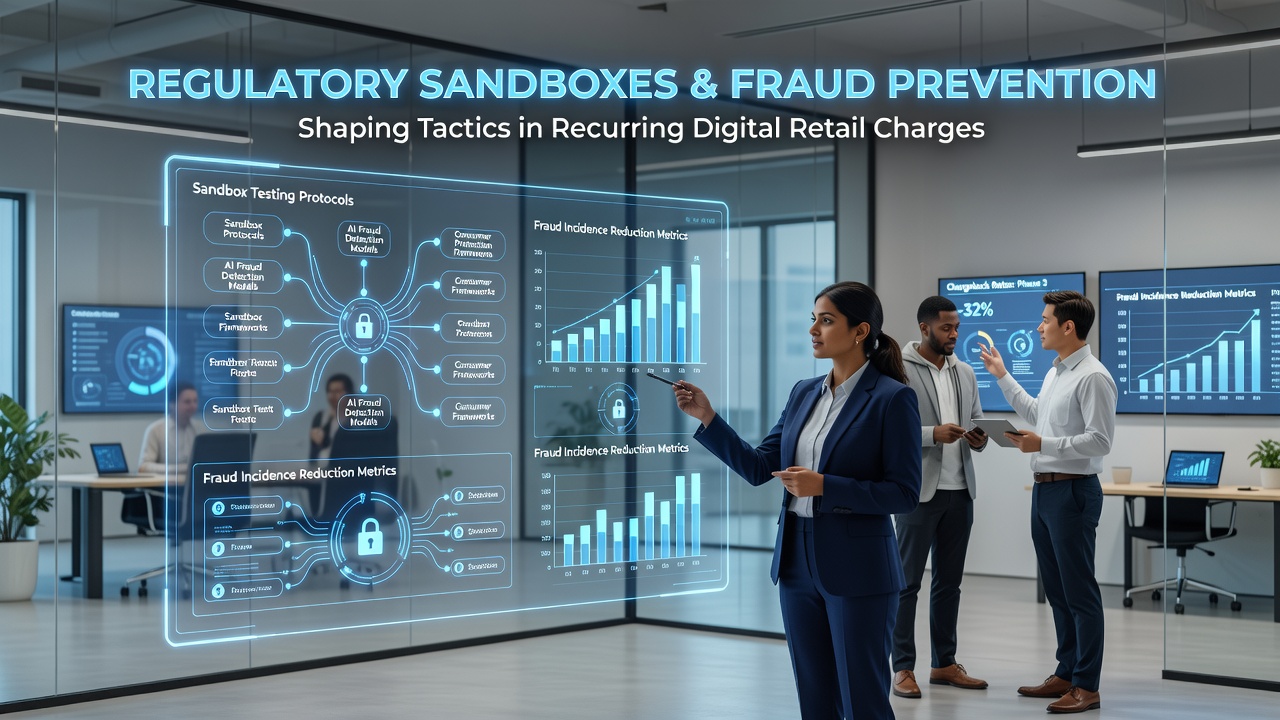
How Regulatory Sandboxes Are Shaping Fraud Prevention Tactics in Recurring Digital Retail Charges
Regulatory sandboxes provide controlled testing grounds where financial technology firms develop and refine tools to combat fraud in recurring digital retail charges such as subscription services and automatic renewals. These frameworks allow participants to experiment with new detection methods while operating under close supervision from oversight bodies, and they generate data that informs broader policy adjustments across multiple jurisdictions.
Core Mechanisms in Sandbox Environments
Participants in these programs isolate specific aspects of recurring billing systems to evaluate fraud prevention approaches without exposing full-scale operations to risk. Teams test algorithms that monitor transaction patterns for anomalies, including sudden changes in billing frequency or mismatched device locations, while regulators track outcomes and compliance metrics. Data from these trials shows measurable reductions in unauthorized charges when models incorporate real-time consent verification steps, and the results feed directly into updated guidelines for industry-wide adoption.
Regional Developments and Testing Outcomes
Singapore's Monetary Authority has run multiple sandbox cycles focused on payment authentication, where firms refined behavioral analytics that flag irregular renewal attempts in consumer accounts. Results from completed rounds indicate improved accuracy in distinguishing legitimate subscription updates from fraudulent activity, and authorities have incorporated those findings into licensing requirements for digital retailers. In parallel, Australian regulators through ASIC have examined consent management protocols that require explicit user confirmation before each billing cycle, leading to documented drops in dispute rates during live tests.
European authorities have coordinated cross-border experiments that link data-sharing agreements between sandbox participants, allowing shared detection of recurring charge fraud across borders. One study from a participating research institution revealed that integrated monitoring reduced false positives by significant margins compared to isolated systems, while maintaining service continuity for merchants. Canadian oversight bodies have similarly emphasized testing for mobile-initiated renewals, where location-based signals help verify user intent during high-volume subscription periods.
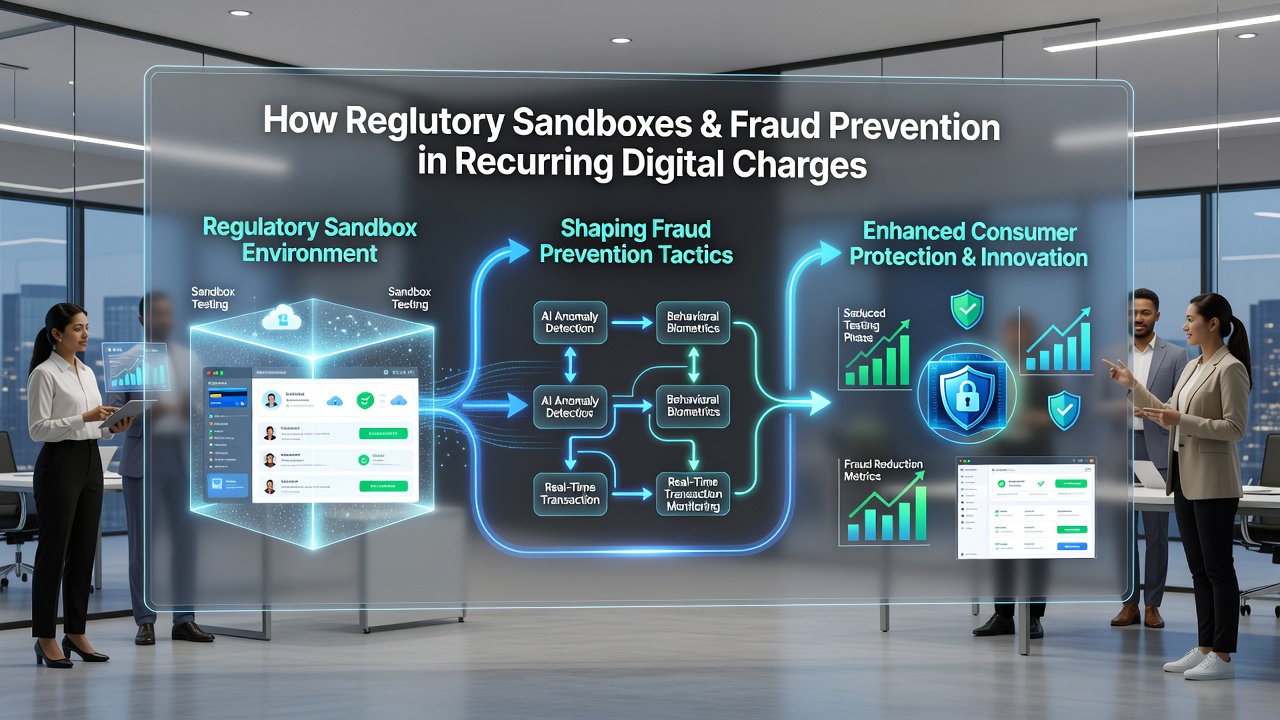
Impact on Specific Prevention Tactics
Sandbox testing has accelerated adoption of layered verification that combines device fingerprinting with transaction history reviews, particularly for charges that recur on monthly or annual schedules. Observers note that firms exit these programs with deployable systems capable of pausing suspicious renewals pending additional checks, and aggregate reports from 2025 cycles show consistent gains in early fraud identification. What's interesting is how these controlled environments reveal interactions between different tools, such as pairing anomaly detection with automated consumer notifications that prompt quick confirmation of charges.
By September 2026, several ongoing sandboxes are scheduled to release comparative data on machine learning models trained specifically for subscription ecosystems, highlighting variations in performance across different retail categories. Those findings are expected to guide refinements in how platforms handle edge cases like account takeovers that target stored payment details for automatic deductions. Researchers have documented cases where sandbox participants integrated feedback loops that adjust detection thresholds based on seasonal billing spikes, leading to more stable operations for vendors.
Challenges Addressed Through Iterative Testing
Recurring charges introduce unique vulnerabilities because they rely on stored credentials that remain active over extended periods, and sandboxes allow isolated examination of these flows. Teams evaluate methods to detect credential stuffing attempts that target renewal schedules, while ensuring legitimate users experience minimal friction during the process. Evidence from completed trials points to enhanced protocols that require periodic re-authentication without disrupting service continuity, and regulators use the resulting datasets to calibrate expectations for future implementations.
Industry reports from participating organizations underscore how sandbox structures facilitate collaboration between technology developers and compliance teams, producing tactics that scale beyond individual test cases. One analysis of sandbox outcomes demonstrated that early integration of consumer education elements, such as clear billing previews, correlates with lower fraud incidence rates across tested platforms. These patterns emerge consistently when multiple entities share anonymized results under regulatory oversight.
Conclusion
Regulatory sandboxes continue to supply structured pathways for refining fraud prevention in recurring digital retail charges by generating empirical evidence on tool effectiveness. Outcomes from various regional programs inform adjustments in authentication standards and monitoring practices, while supporting consistent application across different market segments. As additional testing rounds conclude, the accumulated insights contribute to more resilient systems that address evolving patterns in unauthorized subscription activity.